0
$0.00
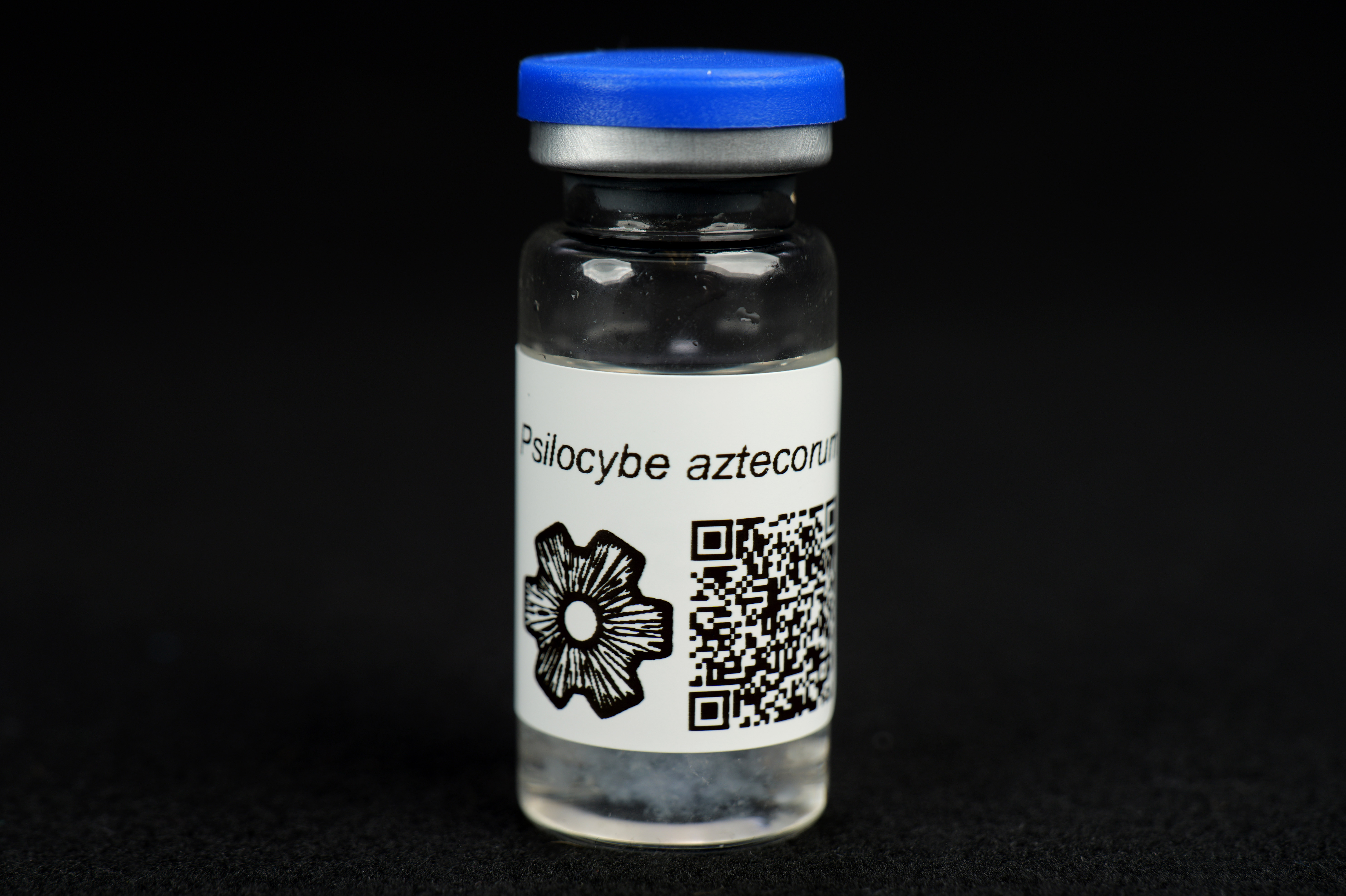
Psilocybe aztecorum : MycoTrue(TM) Isolate Vial
Category: MycoTrue(TM) Isolate Vials

Description
|
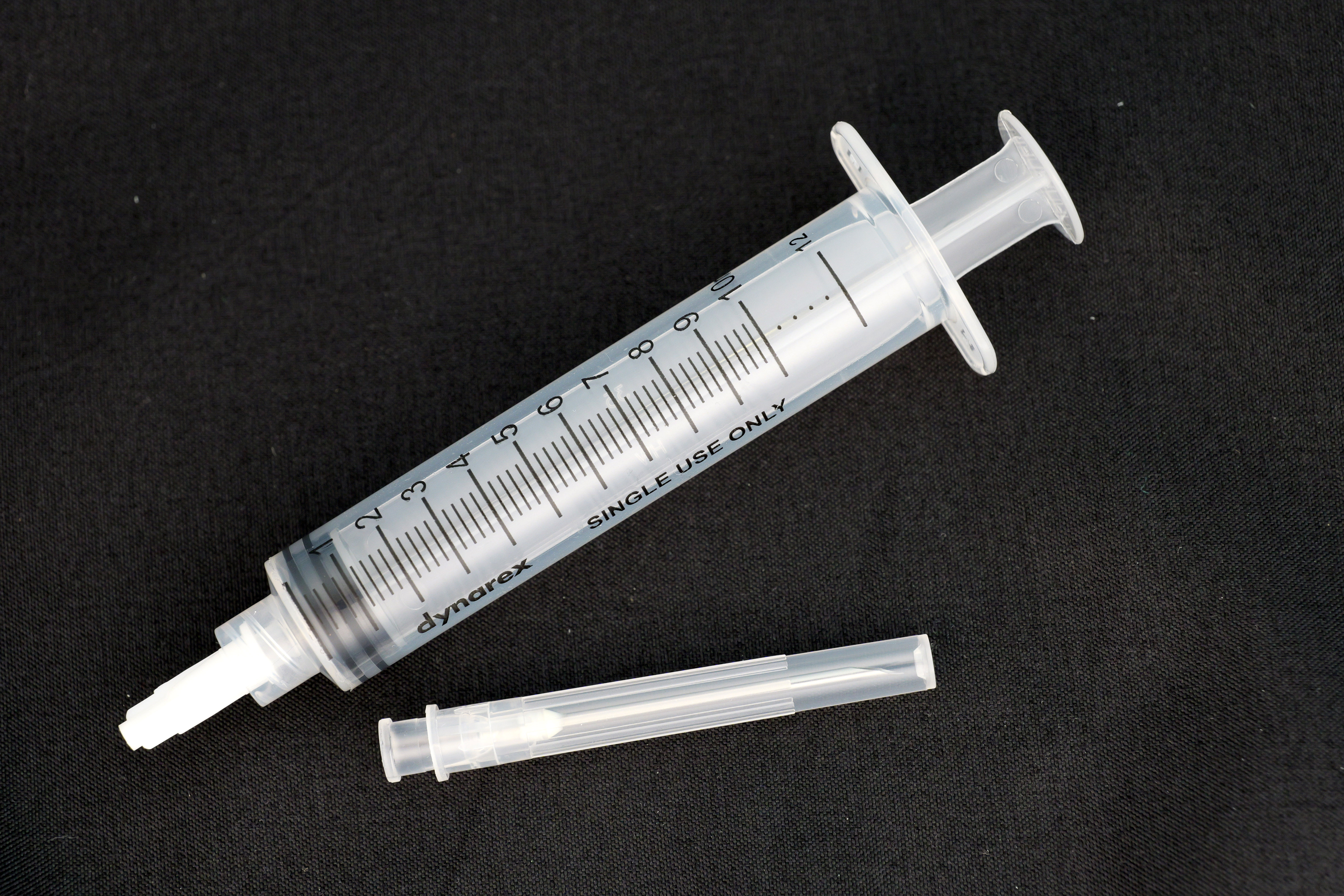
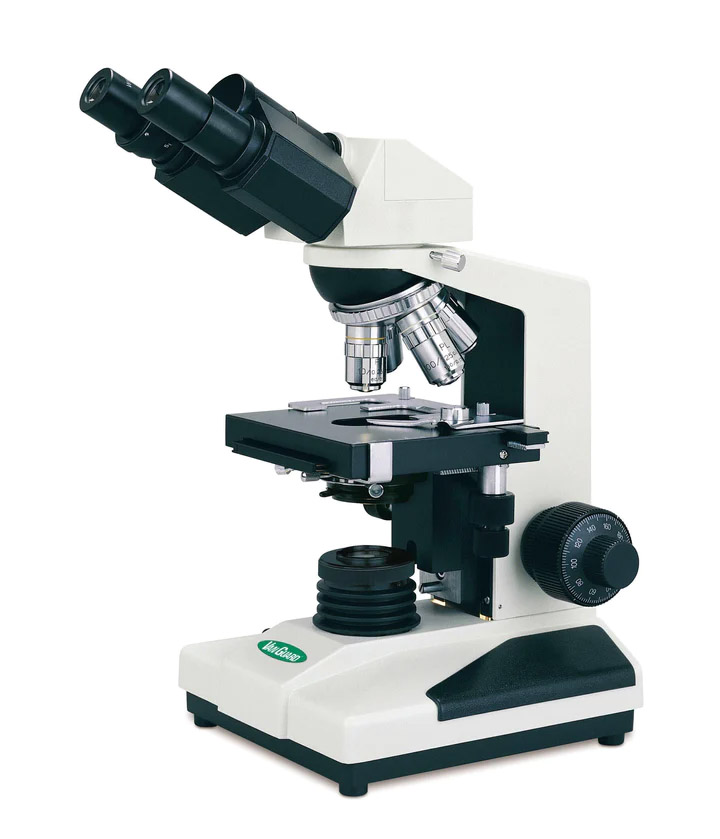
Introductory Pricing! - For a limited time, enjoy examining the exciting new MycoTrue(TM) Isolate Vials for only $39 each! That's almost 30% off regalar price! MycoTrue(TM) - DNA verified research material as liquid isolate in aqueous solution. Provided in 10ml glass serum vial with injectable lid. Store refrigerated, guaranteed 6 months after receipt of order. Designed for accredited laboratories. Each order provided with one sterility packaged syringe filter, syringe, and needle. See instructions and video below Psilocybe aztecorum Psilocybe aztecorum has the most storied recorded history of any of the species in the genus. In the 16th century, the Spanish friar Bernardino de Sahagún recorded in his manuscript “Historia general de las cosas de la Nueva España,” or “General History of the Things of New Spain,” the ritual consumption of this species by the Nahua people in Tenochtitlan, calling it Teonanacatl (teotl meaning something like sacred animus, nacatl meaning flesh). It is still used today in much the same way by several central-Mexican peoples. Once thought to be endemic to central Mexico, it has subsequently been collected throughout the mountainous areas of the American west, and the species P. quebecensis named for the Canadian province of Quebec where it was originally found, was determined by genetic analysis to be the same species. Description
Microscopic Features
Ecology & Distribution
Phylogeny
ITS SEQUENCE:
TTGTCATATGTATTGTCCAACTTAATAGACGGTTAGAAGCAGCTTCAACCCATTAAAGCAGATTGTCCACGGCGTAGATAATTATCACACCAATAGACGGTCCACGCGGGGAAGCCGGCTAATGCATTTAAGGGGAGTTGACCTCTTGACGAAGCCAGCAAAAGACCCCCAAGTCCAAGCCATTACACGAGCTAACAAAAGCTGGTAAGGTTGAGAATTTAATGACACTCAAACAGGCATGCTCCTCGGAATACCAAGGAGCGCAAGGTGCGTTCAAAGATTCGATGATTCACTGAATTCTGCAATTCACATTACTTATCGCATTTCGCTGCGTTCTTCATCGATGCGAGAGCCAAGAGATCCGTTGCTGAAAGTTGTATTTAGTTTATAGGCACTAGGCCATATGATACATTCTGTTACATTCTTTGGGGTATATGAAAACGTAGACCGTTCAGGACGTTCAACTTGGTCAACTCTTGCGAGTCTCACTCCTATCAGTCCAAAAACGTTCTACAAAGGGTGCACAGGTGGAGATATAAAGATGACATAGTGGGCACATGCC
HOW TO UTILIZE MYCOTRUE VIALS - (see video below)
* MycoTrue(TM) intended for microscopy and taxonomy purposes only. Images provided for informational and educational reference only and originate from cultivators and labs outside the US. Cultivation of this species is illegal in many countries including the United States. Please check your local regulations. California, Idaho, Florida, and Georgia residents: Orders requesting Psilocybe Genera Spores shipped to California, Idaho, Florida, and Georgia will be refused, voided, or refunded. Possession of these mushroom spores may be illegal in CA, ID, FL, and GA without the proper permissions. |