MONTHLY FEATURE - Psilocybe caeruleorhiza : Winter Teacher Spore Isolate Syringe
Tags
Market Price: $27.00
SAVE 26%
Our Price

$20.00

Quantity Price
4+ Items $15.00
Weight 0.11 lbs
SKU PSMICiso-349
Quantity
Description

Spore Works Lab Monthly Feature: on the first of every month the Spore Works Lab will releases a limited quantity of mushroom spore or culture material from rare, interesting, and exotic varieties. These represent the ongoing efforts of our dedicated team towards collection, taxonomy, and species/strain development, and are offered at a discount to encourage further investigation. Your patronage ensures the continued research and development of these wonderful mushroom varietes, thank you for your support. Quantities are limited, as new features will be announced and rotated each month.


Isolate (ISO) provided in sterile aqueous solution using 10cc Luer-Lok syringes. One 1.5in 16ga needle will be provided for each syringe. For more information on Spore Isolate Syringes, see our Blog Update: "Spore Isolates: What and Why."

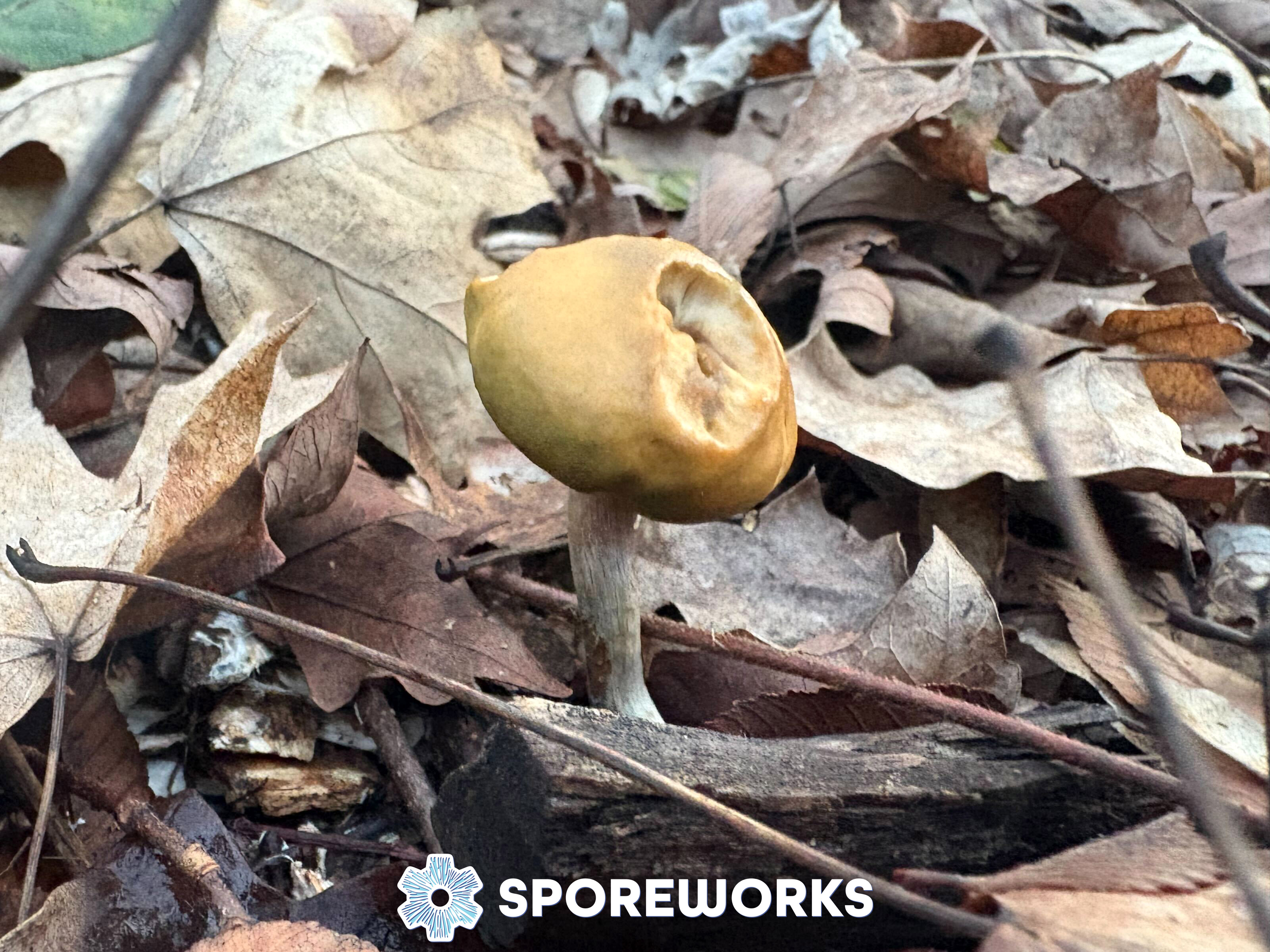
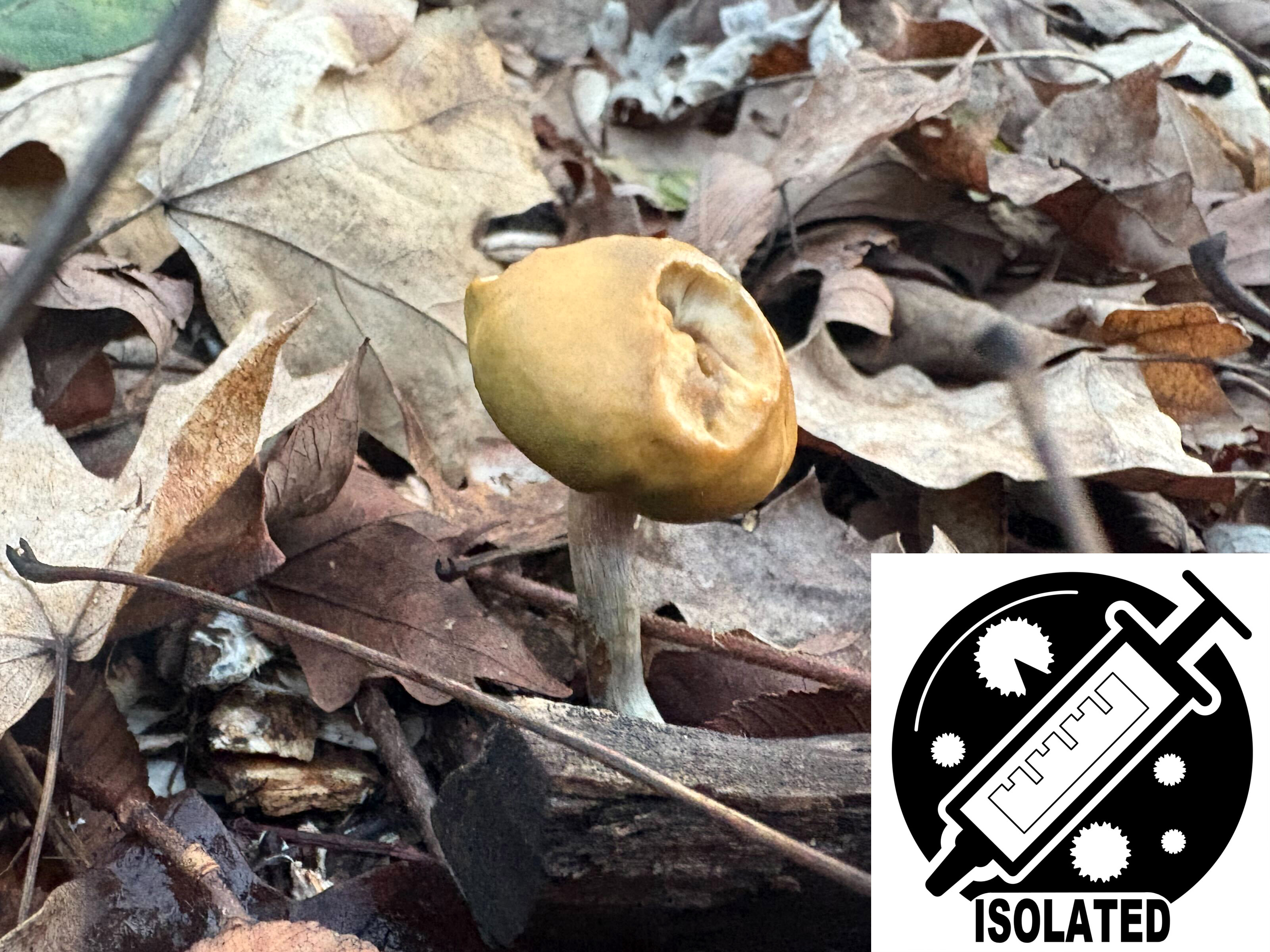
Comments: Known by the common name “winter teacher”, Psilocybe caeruleorhiza is a newly described psilocybin-containing mushroom species native to North America and is closely related to P. serbica (Europe) and P. aztecorum (North America). The species name, meaning “blue root” was inspired by the strong blueing reaction of rhizomorphs in culture.

Description

  • Cap: Convex or umbonate, hygrophanous, brownish-tantypical of many Psilocybe species.
  • Gills: Adnate or sinuate. Color transitions from light brown to dark purplish-brown as spores mature
  • Partial Veil: Thin and subcortinate, but does not leave an annulus, which is an important field distinction from similar species.
  • Stipe (Stem): Slender, variable in length (typically a few centimeters long, proportionate to the cap), with a relatively narrow diameter. Whitish to pale brownish, sometimes darker toward the base. Smooth to slightly fibrillose; no persistent annulus (ring). Often attached to rhizomorphic mycelium, which bruises blue.
  • Spores (Microscopic): (10.2) 10.9–12.1–13.2 (15.1) × (5.5) 5.9–6.4–7.1 (7.9) µm. ellipsoid to subellipsoid to slightly asymmetrical (“mango-shaped” per Guzmán), thick-walled, walls ≥0.5–<1.0 µm with an apical germ pore, dark to medium brown.
  • Similar Species: Psilocybe ovoideocystidiata may be confused with P. caeruleorhiza, but it possesses a thin annulus and fruits earlier in the spring and early summer, while P. caeruleorhiza fruits later in the season.

Ecology & Distribution

  • Native Range: Eastern and Midwestern United States. Documented occurrences include Indiana, Iowa, Kentucky, Michigan, Missouri, and Pennsylvania.
  • Substrate: Saprotrophic, typically found in man-made mulch beds, indicating an affinity for anthropogenic environments.
  • Fruiting Period: Late fall through early winter, especially October to January, with a peak in December.

Microscopic Features:

  • Spores: (10.2) 10.9–12.1–13.2 (15.1) × (5.5) 5.9–6.4–7.1 (7.9) µm. ellipsoid to subellipsoid to slightly asymmetrical, thick-walled, walls ≥0.5–<1.0 µm with an apical germ pore, dark to medium brown.
  • Basidia: 20–30 × 6–8 µm, clavate (club-shaped), 4-spored.
  • Cheilocystidia: Abundant. Lageniform (flask-shaped) to fusiform, sometimes with elongated necks. 20–30 × 5–8 µm.
  • Pleurocystidia: Very rare to nearly absent, appearing like the shorter, ventricose cheilocystidial elements.

* Spore isolate intended for microscopy and taxonomy purposes only. Images provided for informational and educational reference only and originate from cultivators and labs outside the US. Cultivation of this species is illegal in many countries including locations within the United States. Please check your local regulations.

California, Idaho, Florida, and Georgia residents: Orders requesting Psilocybe Genera material shipped to California, Idaho, Florida, and Georgia will be refused, voided, or refunded. Possession of these mushroom spores may be illegal in CA, ID, FL, and GA without the proper permissions.

So, what exactly is an Isolate? In contrast to the multi-spore syringes (MS), which contain a wide variety of genetic material in tens of thousands of spores, our isolates (ISO) contain only one set of genes. This assures that it will perform consistently and uniformly in your research. In instances where genetic diversity is desired, we recommend our multi spore (MS) products. When predictability is preferred, isolates (ISO) are the best choice.

Related Products